

She sat on a chair at the stern of the boat and was very light.
In _Spiritfarer_, my name is Stella, and I am the shepherd of the soul. My task is not to fight or explore, but to take care of it. Gwen, an elegant old woman, is one of my first passengers. She likes fish soup and hates greasy food. When the weather is good, she will sit by the small garden I built for her and hum a song without words.
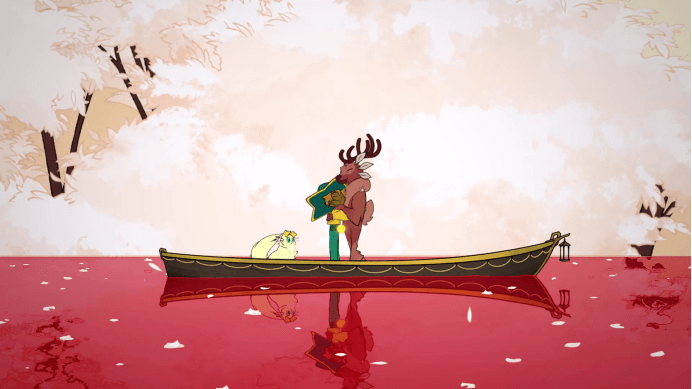
I cook for her every day and adjust the saltiness of the recipe according to her subtle expression. On her sleepless night, I would walk over and do nothing. I just let her lean on me and watch the virtual stars flow on the virtual sea. There is no progress bar to tell me when she will leave, and there is no task to explain how to “take good care of her”. The only feedback is her occasional smile, or a “Honey, today’s soup is very warm”.
I gradually forgot that this was a task. Every morning, I will go to the chicken coop to pick up eggs first, because Gwen likes the edges of fried eggs to be slightly charred. I will deliberately take a long detour to the sea with fireflies, because she said that the light was beautiful. This kind of care is fragmented, repetitive, and seems to be endless. Until one morning, she stopped me and said, “I think I should go.”
There is no thrilling farewell. She just sorted out her clothes, as if she was going on a usual date. I sent her to the Eternal Gate at the bow of the ship. She hugged me, her body as light as autumn leaves. Then she turned around, walked into a warm light, and disappeared. There was a chair in the sky on the deck, and a sudden sea breeze that seemed too quiet.
I stood there with a fried egg that was supposed to be for her breakfast. A huge and soft nothingness enveloped me. What I completed was not a shipment, but an end.
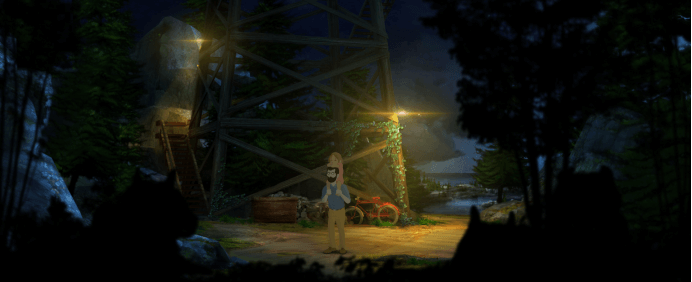
Another kind of care took place in the vast snowstorm in Alaska. In _Never Alone_, I control the little girl Nuna and a white arctic fox. We are not masters and servants, but the only support for each other in desperate situations. The fox can drill through the narrow ice crevice that I can’t pass and find a way for me; I can move heavy ice and build a bridge across the abyss for it. But when danger comes, it is so small that it will be stumbled by the cold wind and sobbing with hunger.
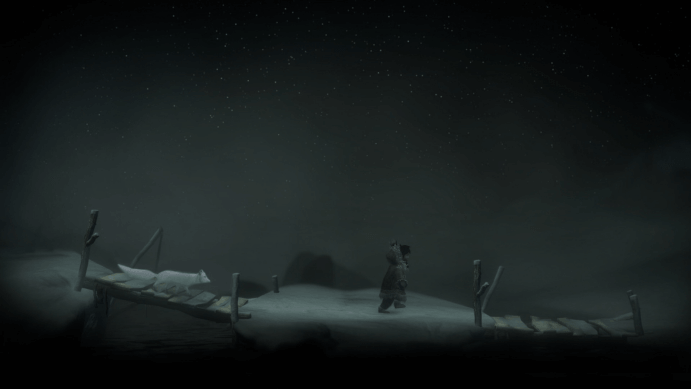
I remember that we were separated when we crossed a terrible floating ice area. The Nuna I controlled ran alone on the huge ice and shouted. Finally, in the corner of an ice cave, I saw the shrinking white. I ran over. Instead of pressing the “interactive” button, I asked Nuna to sit next to it, stretched out her arms and gently hugged it. The screen gradually darkened, leaving only the sound of wind and snow and the silhouette of us snuggling together. At that moment, there was no game goal update, but I knew that this was the only thing I needed to do at the moment — to warm it with my presence.
At the end of the game, facing the spirit of the ancient storm, Nuna chooses to move forward bravely, and the fox guides and guards in its own way until the mission is completed. When everything calmed down, they sat side by side on the cliff and watched the eternal aurora. There are no words, only two lives that save each other, sharing the peace for the rest of their lives after the robbery. They may eventually separate and return to their respective ethnic groups, but the journey of warming each other in the blizzard and entrusting their lives has become a part of each other’s souls.
We are afraid of saying goodbye, afraid of useless work, and afraid of the process of no results. So our life is full of clear goals and instant feedback. But some of the softest and hardest things only grow in “aimless” giving.
Games, which are often about winning, quietly teach us how to face “loss” at these moments. It tells us that farewell is not necessarily a loud failure. It can be a carefully finished breakfast or a silent hug in a snowstorm. The value of care lies not in how much time is extended, but in the specific temperature of the filling time — understanding one person’s taste and perceiving the trembling of another life.
It allows us to practice how to still focus and be gentle on something that is destined to end. Because it is this kind of concentration and gentleness that defines the quality of each other’s existence. When we learn to prepare breakfast for a ship that will eventually be empty, and learn to use our bodies to shield a fox from the wind and snow in the bone-chilling cold wind, we may also learn how to face all the disappearances and farewells that must go through in our lives more bravely and gently.